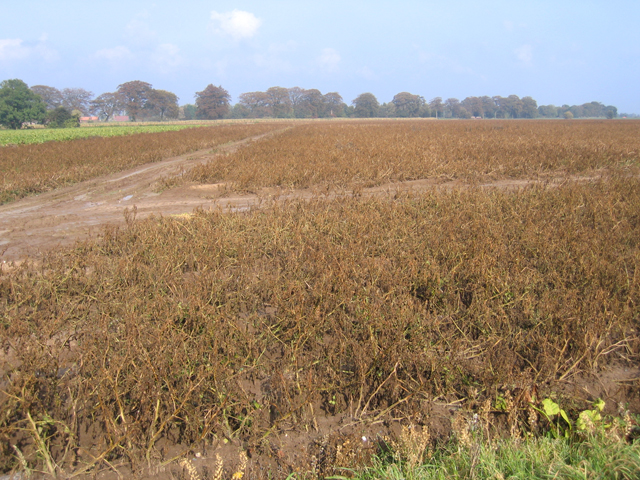
Without a haulm topper or with the weather closing in, many growers lift potatoes under still-green foliage. Extension research on skin set shows where this is acceptable and why such lots need separate handling in storage.
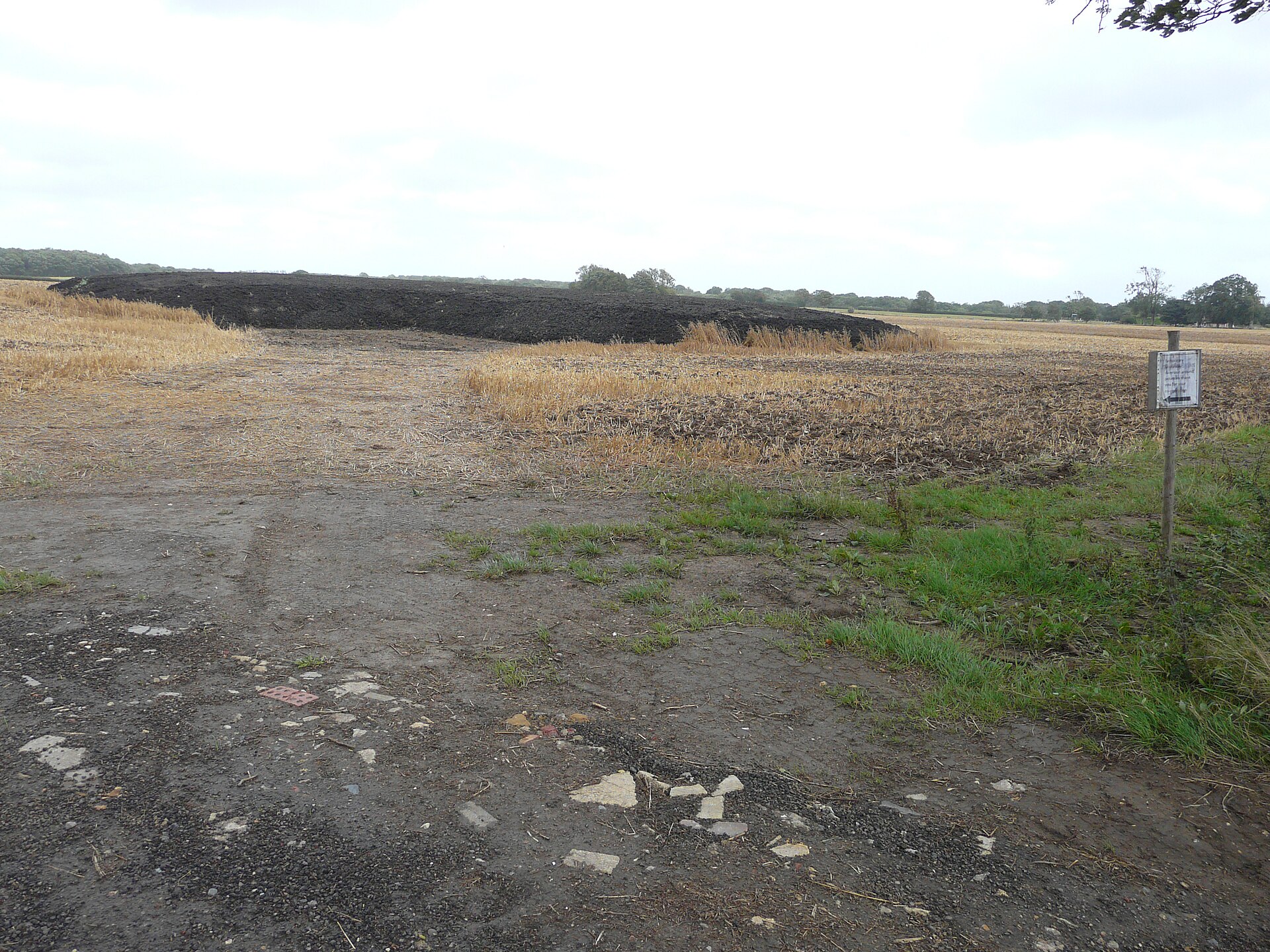
When the harvest outruns storage capacity, a field clamp can buy time instead of selling at the seasonal low. FAO guidance and classic clamp design show where the limits are: size, cover, ventilation and temperature control.
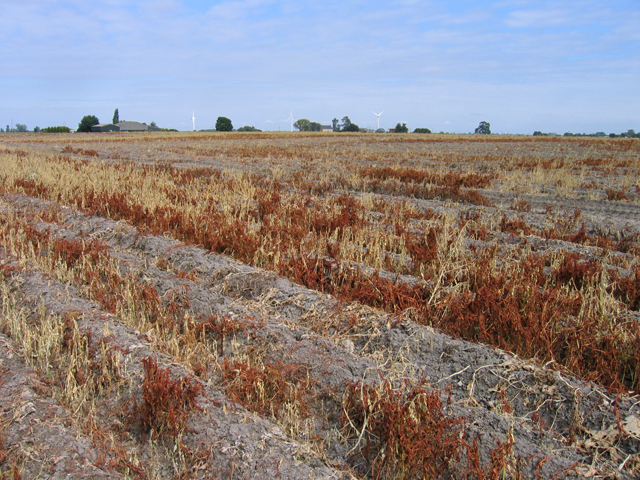
A new thermal haulm burner in Canada revives an old question. UK trial data show how flailing, PPO desiccants and pulling perform without diquat on speed, skin set, stem-end browning and cost.
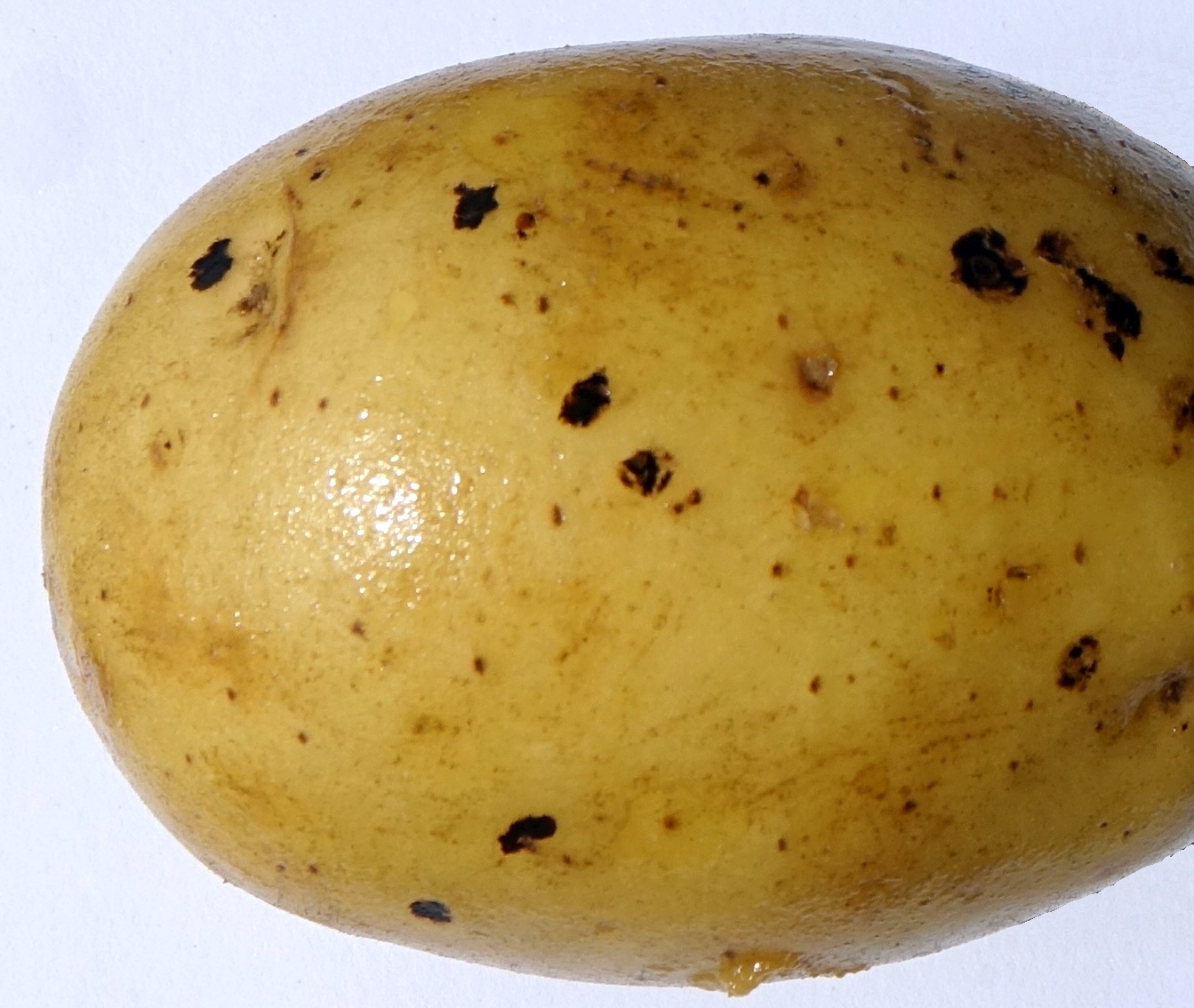
Soil and seed inoculum, plant stress and long waits between haulm killing and harvest all raise black dot on potato tubers. Research from the UK, Wisconsin and California shows which steps cut the risk.
The Irkutsk region is seeing systematic growth in the production of virus-free seed potato material, aimed at combating the "degeneration" of potatoes — a process in which a variety loses its valuable qualities after just 7–8 years…
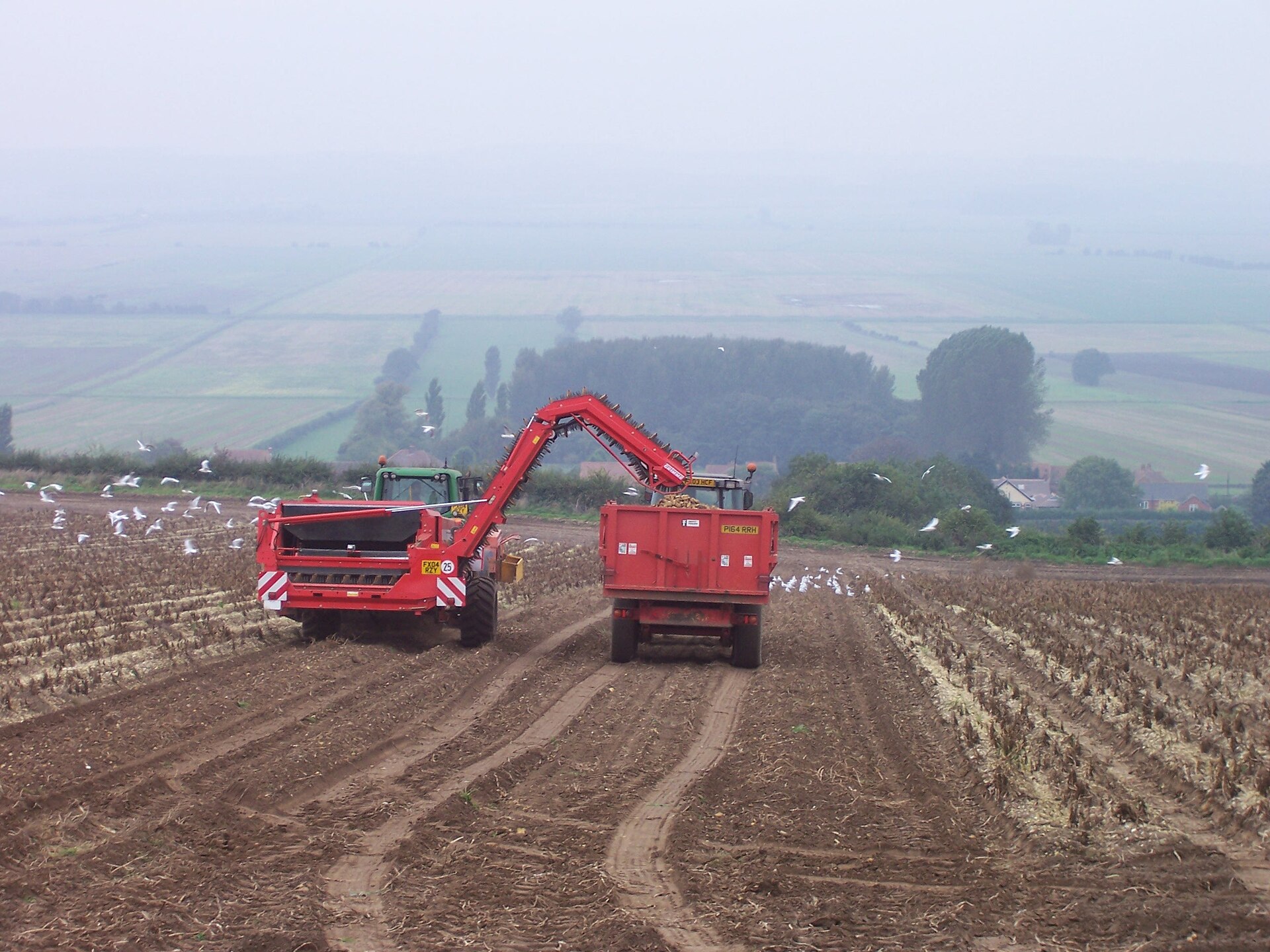
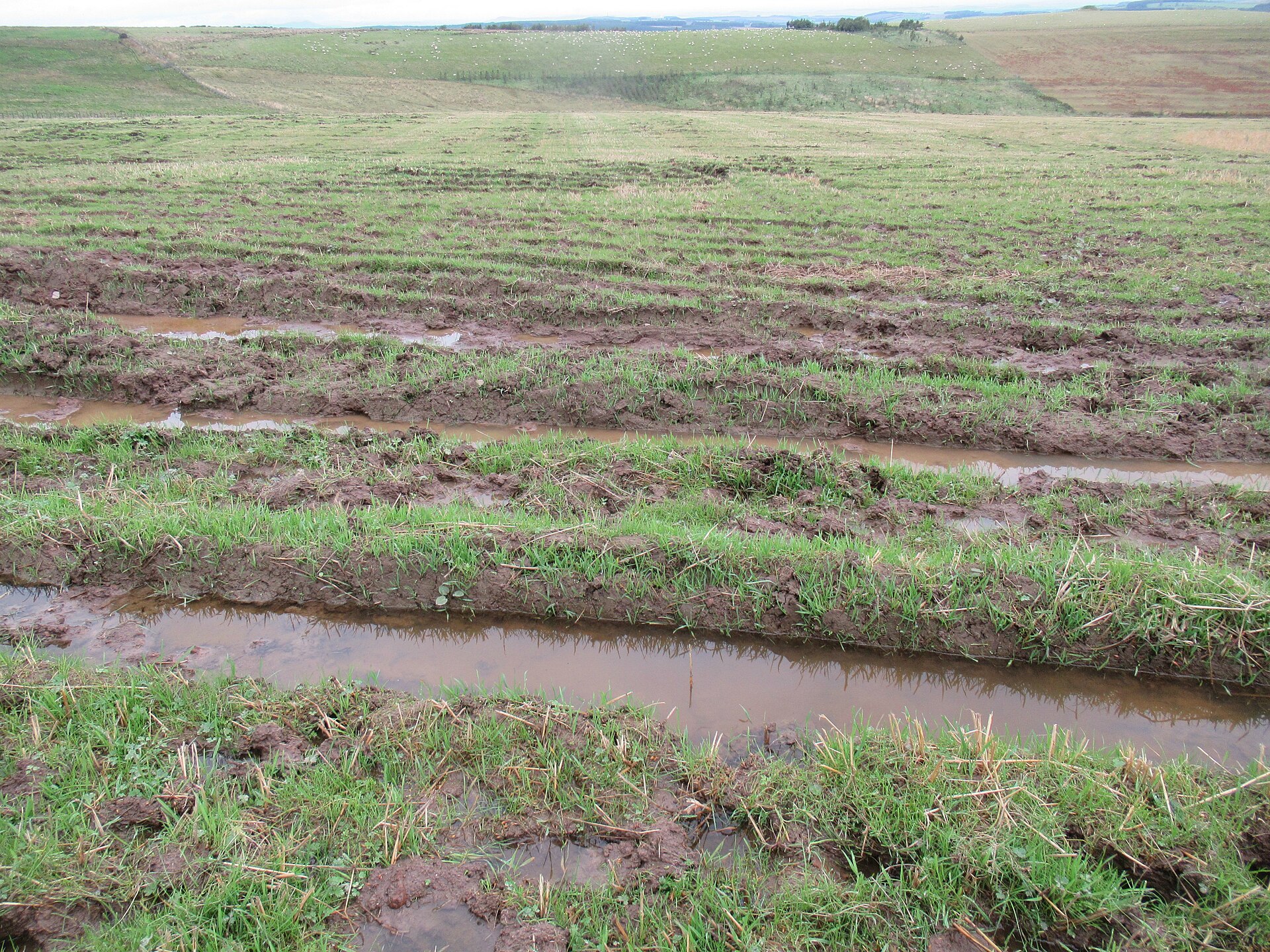
Digging in waterlogged fields saves this season's crop but leaves compacted soil for the next one. AHDB data show compaction can cut potato yields sharply, while subsoiling pays off only where the problem is confirmed.
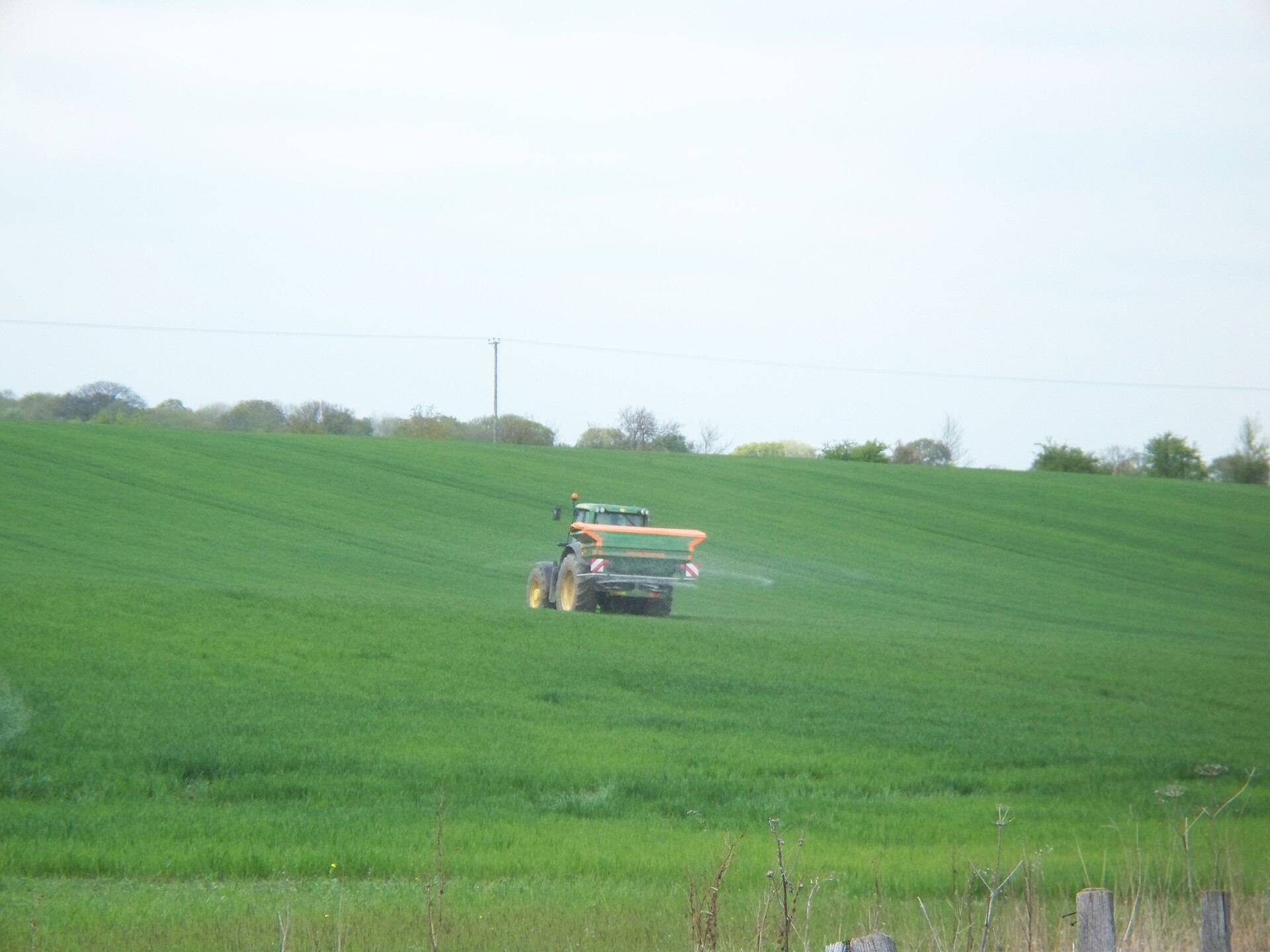
Autumn is a convenient time to put down potash for next year's potatoes. Applying potassium chloride months before planting lets chloride leach below the root zone, so growers keep the cheap fertiliser without losing dry matter.
Sclerotia of Rhizoctonia solani form faster once the haulm is killed, so the wait for skin set carries a cost. Research and extension advice point to seed quality, haulm method and prompt harvest.
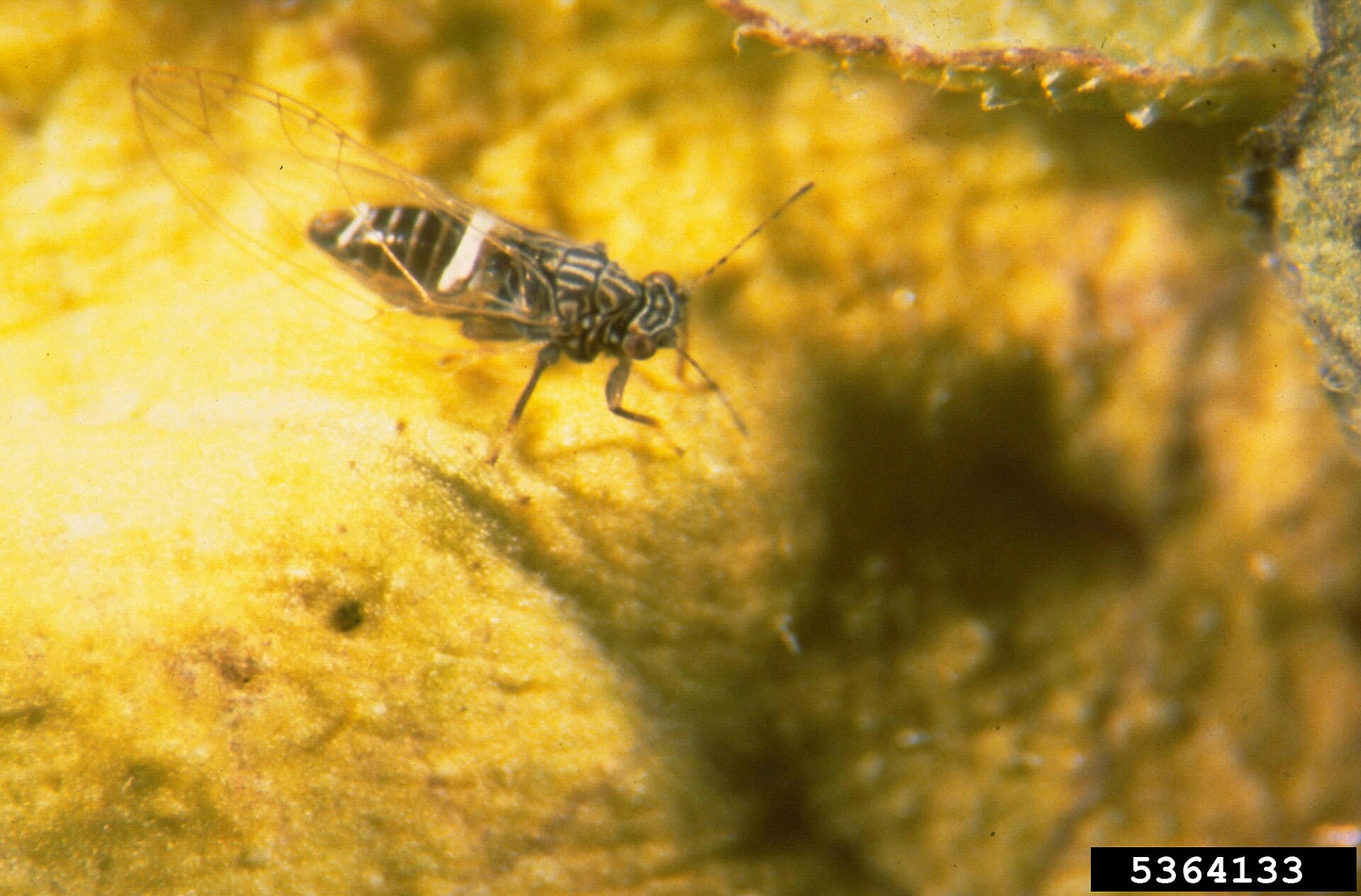
Zebra chip has no resistant commercial variety, so control depends on the psyllid that carries it. Extension data show how temperature, feeding time and spray rotation shape the risk.
Two Midwest extension services publish almost the same petiole sap nitrate targets for irrigated Russet Burbank. The ranges fall by about half at each growth stage, and early uptake matters most.
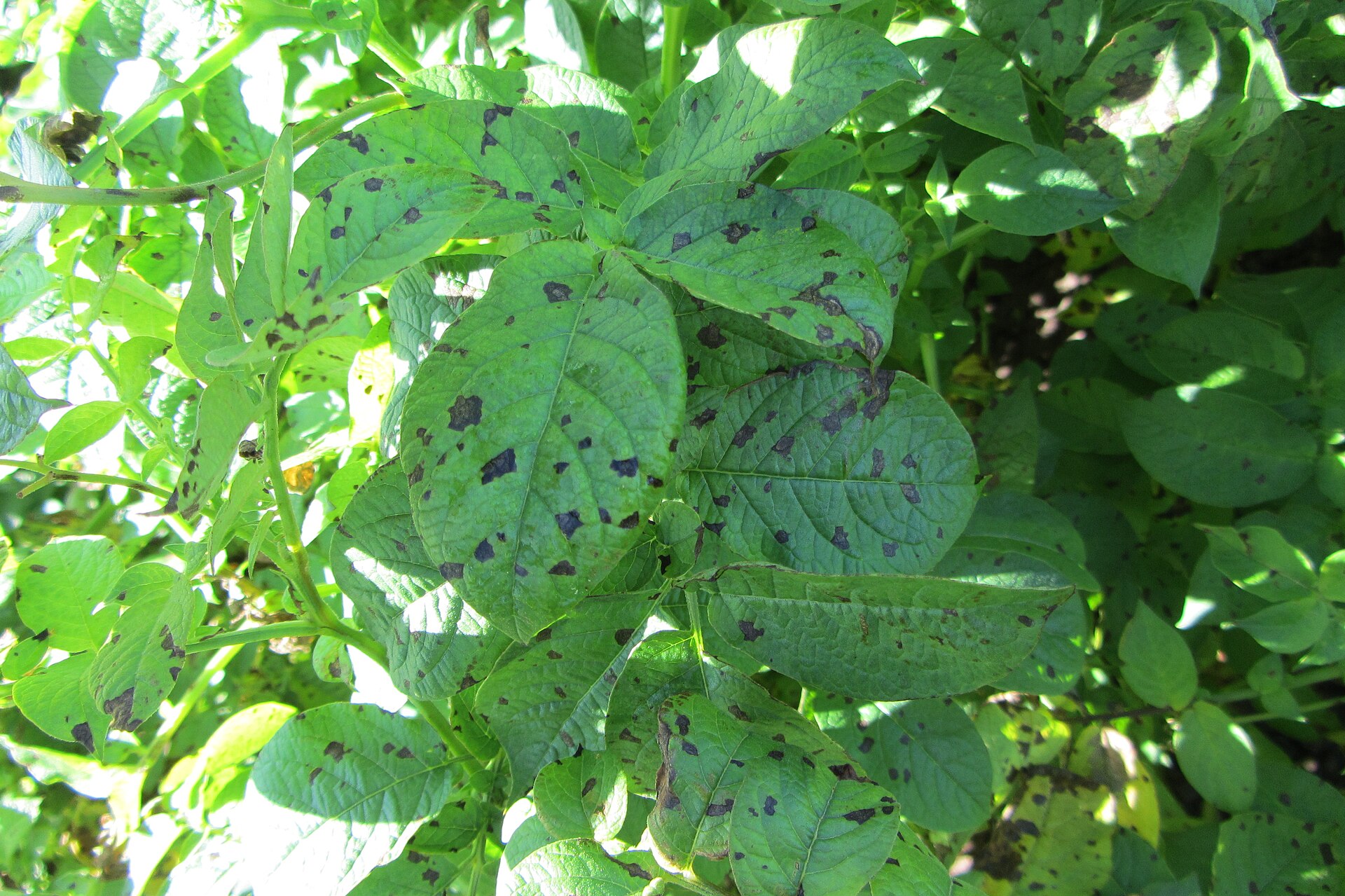
Field and laboratory work in Sweden shows how fast Alternaria solani can escape SDHI fungicides. In Wisconsin, specialists start early blight sprays at 300 P-days and report strong strobilurin resistance.
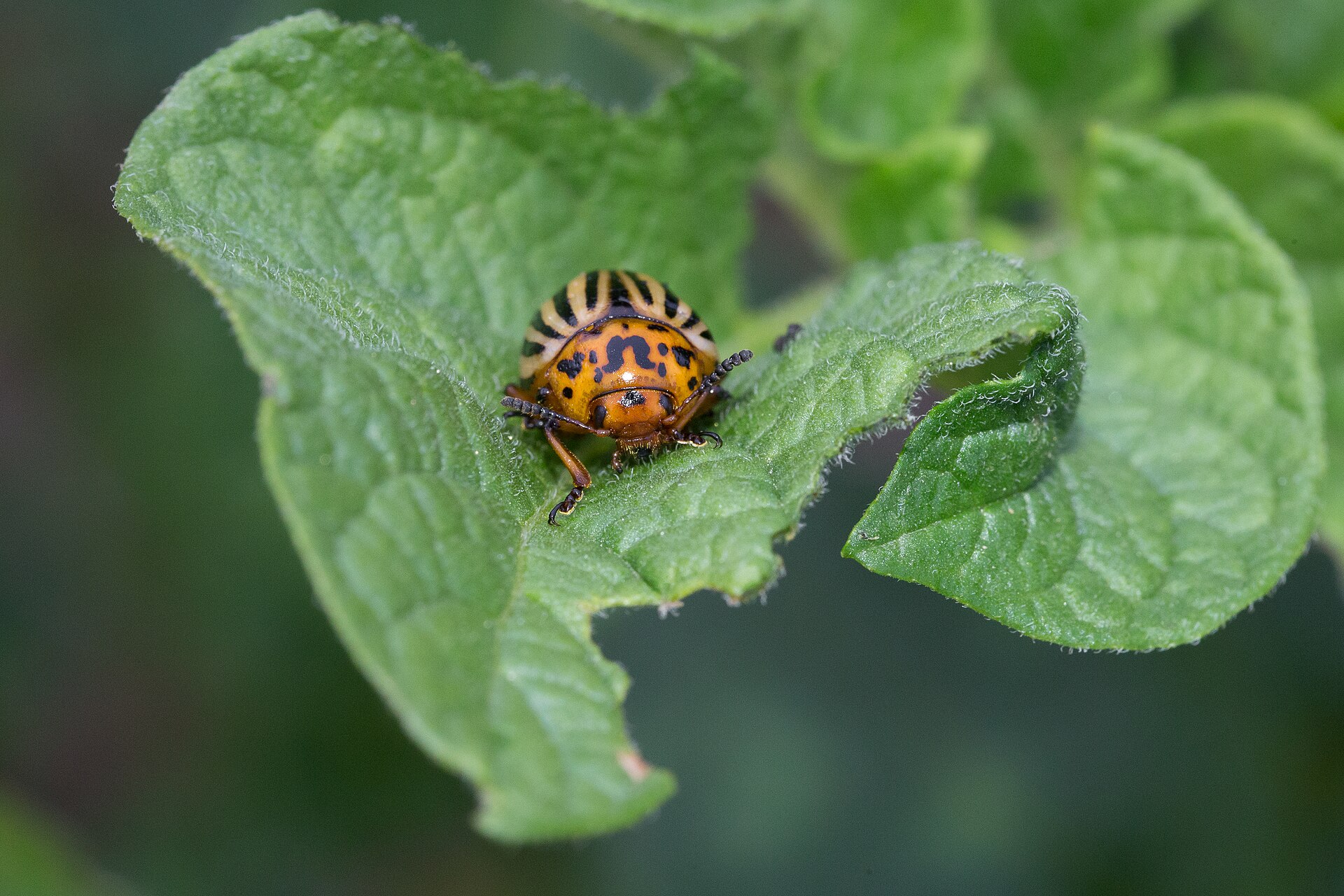
A six-year Czech survey of 69 beetle populations found no population fully sensitive to a common pyrethroid. Extension advice is to rotate insecticide groups by beetle generation, not by brand.